
Digital Marketing

instagram post size
Digital Marketing

Which Size is best for Instagram post 1080*1080 or 1375*1080

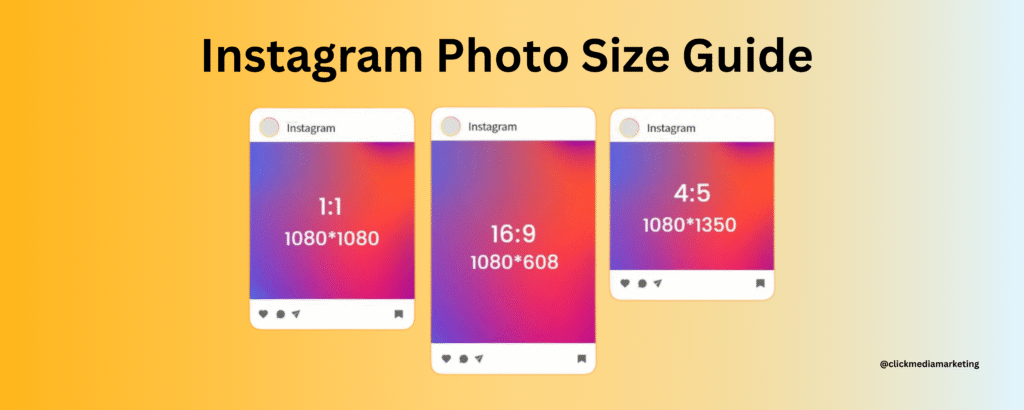
Which size is best for instagram post 1080*1080 or 1375*1080. For Instagram posts, the best size depends on your goal: 1080×1080 (square, 1:1 aspect ratio): Classic Instagram format. Looks uniform on your feed grid. Good if you want your profile grid to look neat and balanced. 1080×1350 (portrait/vertical, 4:5 aspect ratio): Occupies more vertical space on the screen while users scroll—up to 25% more than a square post. More attention-grabbing and often results in higher engagement for feed posts. Instagram recommends this 4:5 ratio for portrait images. Your image will be center-cropped on your profile grid but fully visible in the main feed. 1375×1080 is not a supported Instagram aspect ratio and might get cropped or compressed, resulting in lower image quality or unwanted formatting. Which aspect ratio enhances engagement more on Instagram, square or portrait. The portrait aspect ratio (4:5, e.g., 1080×1350 px) enhances engagement more on Instagram compared to the square aspect ratio (1:1, e.g., 1080×1080 px). This is because portrait posts occupy more vertical space on the screen as users scroll, making them more attention-grabbing and visible, which often leads to higher engagement rates. Instagram itself recommends the 4:5 ratio for feed posts to maximize visibility and impact. In contrast, square posts provide a uniform look for the profile grid but take up less screen space overall, which can result in slightly lower engagement. So, if your goal is to maximize engagement, choose the portrait aspect ratio 4:5 for your Instagram posts. If you prefer a balanced and neat profile grid appearance, go with the square aspect ratio 1:1. How does a 1080×1375 post compare in visibility to 1080×1080 A post sized 1080×1375 pixels on Instagram is very close to the more commonly recommended portrait size of 1080×1350 pixels (aspect ratio 4:5). However, 1080×1375 slightly exceeds the typical height Instagram supports for feed posts. Instagram’s official guidelines and expert sources recommend feed post heights between 566 and 1350 pixels, with the ideal portrait size being 1080×1350 (4:5 ratio). This size maximizes vertical screen space, making your post more visible and engagement-friendly compared to a square 1080×1080 post, which takes up less vertical space. Using 1080×1375 might cause Instagram to crop or resize the post to fit within its supported aspect ratios, potentially affecting image quality or how it appears in the feed and profile grid. The platform prioritizes aspect ratios between 1.91:1 (landscape) and 4:5 (portrait) to avoid cropping. In comparison: 1080×1080 (square, 1:1 ratio): Balanced, uniform look on your profile grid but occupies less screen space in the feed, often resulting in slightly lower visibility and engagement. 1080×1350 (portrait, 4:5 ratio): Takes up about 25% more vertical space in the feed, enhances visibility, and typically drives higher engagement. 1080×1375: Slightly taller than Instagram’s recommended max height for posts; may get cropped or resized by Instagram, which can reduce visibility or affect display quality. Therefore, a 1080×1350 post is preferable to 1080×1375 for optimal visibility and engagement on Instagram, while a 1080×1080 post provides a balanced but less vertically impactful presence. How do user preferences influence choosing between 1080×1080 and 1375×1080. User preferences influence the choice between 1080×1080 (square) and 1375×1080 (portrait-like but not standard) Instagram post sizes mainly based on goals for aesthetics, visibility, and engagement: If users prioritize a balanced and uniform profile grid appearance, they tend to prefer 1080×1080 (square) posts. This size keeps the profile visually neat and consistent when viewed as a whole. If users want to maximize visibility and engagement in the feed, they prefer portrait dimensions. However, 1375×1080 is not a standard Instagram aspect ratio and may be cropped or resized, reducing display quality. The recommended portrait size is 1080×1350 (4:5 aspect ratio) because it takes up more vertical screen space and attracts more attention. Users who prefer an optimal balance between engagement and presentation are advised to choose the 1080×1350 portrait size instead of 1375×1080, since 1375 height is beyond Instagram’s official max and might cause issues.


Digital Marketing

What is SEO?

What is SEO? SEO (Search Engine Optimization) is the process of improving a website’s visibility in the organic search results of search engines like Google and Bing. It involves optimizing website content, structure, and user experience so that search engines can better understand and rank your content for relevant searches. The main objective is to drive qualified, unpaid (organic) traffic to your site by ranking as high as possible on search engine results pages (SERPs). Why is SEO Important Today? SEO remains a crucial digital marketing strategy in 2025 because: Organic search drives the majority of web traffic—much more than paid ads or social media. Appearing at the top of search results increases brand credibility and trust. It helps businesses connect with high-intent customers seeking specific products or information. SEO is cost-effective, providing long-term results and better return on investment than many paid channels. With the rise of AI-powered search and changing algorithms, companies that invest in SEO maintain a significant competitive advantage. SEO Salary (India & Globally) India (2025): Entry-level: ₹3–5 lakh per annum Mid-level: ₹6–10 lakh per annum Senior roles: ₹12–25 lakh per annum, especially in larger companies and enterprises. Global Median Salary (2025): $51,680 (approx. ₹42 lakh/year) US: $66,000 EU: $40,689 Senior roles and Heads of SEO: $75,000–$130,000. Salaries increase with experience, specialization, and taking on strategic roles such as SEO Manager or Head of SEO. Types of SEO SEO consists of several specialized fields, each focusing on different aspects of optimization: Type Description On-Page SEO Optimizing individual pages (content, keywords, HTML) Off-Page SEO Building backlinks and brand reputation externally Technical SEO Ensuring site structure, speed, mobile-friendliness Local SEO Targeting customers in a specific locality E-Commerce SEO Optimizing online stores for product search Video SEO Optimizing video content for search Image SEO Optimizing images for search engines International SEO Targeting multiple countries/languages Voice SEO Optimizing for voice search queries Content SEO Optimizing written content for relevance and depth Key SEO Ranking Factors (2025) Modern SEO involves over 200 ranking factors, but the most important today are: High-Quality Content: Original, helpful, and frequently updated content that satisfies search intent. Backlinks: Quality links from authoritative sites signal trust and boost rankings. Technical SEO: Fast loading times, mobile-friendliness, secure (HTTPS), and no crawl errors. Keyword Optimization: Strategic use of keywords especially in titles, headers, and throughout content. User Experience: Easy site navigation, clear structure, and low bounce rates. Schema Markup: Structured data for better interpretation of content by search engines. Social and Brand Signals: Positive brand mentions and social sharing. Search Intent Match: Content closely matches what users are searching for

Digital Marketing

What is Digital Marketing?

Digital marketing is the practice of promoting products and services using digital channels such as websites, social media, email, search engines, and mobile apps. It utilizes internet-connected devices to create brand awareness, engage audiences, and drive sales, often providing measurable and real-time results unlike traditional print or TV advertising. Top Trends in Digital Marketing (2025) AI Integration & Automation: Artificial intelligence and machine learning are driving personalization, automating campaign strategies, and transforming data analytics. By 2025, AI-driven strategies are expected to account for 75% of marketing activities. Search “Everywhere” Optimization: Brands must optimize not just for Google but also for platforms like YouTube, TikTok, ChatGPT, and app stores, due to changes in how people search—especially Gen Z using social media as search engines. Voice & Visual Search: Voice-based and image-based searches are rapidly growing. Platform Convergence & Omnichannel Marketing: Seamless experiences across multiple digital platforms are key. Social Commerce: Buying and selling directly through social media platforms is booming. Ethical Marketing: Transparency, data privacy, and ethical AI usage are becoming more prominent. Digital Marketing Job Roles & Salary Packages Here are common digital marketing roles in India with their approximate annual salary ranges (as of 2025): Job Role Salary Range (INR/year) SEO Analyst ₹2.5-3.5 lakh Digital Marketing Executive ₹3-4 lakh Content Writer ₹2-3 lakh Social Media Manager ₹3-4.5 lakh Email Marketing Specialist ₹3-4 lakh SEO Manager ₹6-10 lakh Digital Marketing Manager ₹8-12 lakh Content Marketing Manager ₹7-10 lakh PPC/Performance Marketing Lead ₹8-15 lakh Digital Marketing Director ₹15-25 lakh Top packages for experienced professionals and directors in leading companies can exceed ₹20 lakh per annum. Entry-level roles typically start around ₹2-4 lakh per annum, with rapid growth based on skills and specialization. Best Platforms to Learn Digital Marketing Whether you are starting out or want specialized skills, these online learning platforms are highly regarded for digital marketing: Google Digital Garage: Free fundamental and advanced courses with certifications. HubSpot Academy: Comprehensive, industry-endorsed certificates on inbound, content, and email marketing. Coursera: University-affiliated programs, including the Google Digital Marketing & E-Commerce Certificate. LinkedIn Learning: Professional micro-courses with practical skills and industry insights. Great Learning Academy, Alison, edX, Moz Academy, SEMrush Academy, Ahrefs Academy: Offer a variety of free and paid courses on SEO, social media, PPC, analytics, and more. YouTube: Free tutorials and strategy tips from industry experts. WordStream’s PPC University: Focused PPC training and resources. You can start with free courses from Google or HubSpot to build foundational knowledge and move to specialized platforms as you progress.

Scroll to Top