


Research Faster and Smarter with Perplexity AI
Perplexity AI Is Becoming The MOST Essential Tool Perplexity AI has rapidly emerged as one of the most influential AI search platforms in the world, with a meteoric rise driven by cutting-edge technology, visionary leadership, and robust investment. Here’s a deep dive into Perplexity’s journey, its founders, growth story, and the profile of its CEO, Aravind Srinivas. Add Your Heading Text Here Perplexity AI is an American software company and conversational answer engine that uses large language models and real-time web search to process user queries and synthesize responses, always citing sources. Its AI-powered chatbot is modeled as an alternative to traditional search engines, offering concise, contextual answers tailored to user interests. Founding Team and CEO Perplexity AI was founded in August 2022 by four engineers: Aravind Srinivas (CEO), Denis Yarats (CTO), Johnny Ho (Chief Strategy Officer), and Andy Konwinski (founding engineer at Databricks). Aravind Srinivas: Born in Chennai, India, Srinivas studied at IIT Madras (dual degrees in Electrical Engineering) and later earned his PhD in Computer Science at UC Berkeley specializing in reinforcement learning and predictive coding. He worked at renowned AI labs such as OpenAI, Google, and DeepMind before founding Perplexity AI. Under his leadership, Perplexity has refused buyout offers from Apple and Meta, staying independent with plans for an IPO after 2028. Denis Yarats: Former AI research scientist at Meta. Johnny Ho: Former engineer at Quora. Andy Konwinski: Founding team member at Databricks and fellow UC Berkeley alumnus. CEO’s Background, Previous Work, and Study Aravind Srinivas, age 31, became the youngest billionaire in India in 2025. Srinivas credits his success to a passion for computers—he taught Python, excelled at Kaggle, interned with AI legend Yoshua Bengio, and transitioned his studies from electrical engineering to computer science despite facing significant challenges. Before Perplexity, he contributed extensively to AI research at three of the world’s leading labs—OpenAI, Google, and DeepMind. Comet is now available to everyone in the world. In the last 84 days, millions have joined the Comet waitlist looking for a powerful personal AI assistant and new ways to use the internet. The internet is better on Comet. pic.twitter.com/te82RnzssJ — Perplexity (@perplexity_ai) October 2, 2025 Net Worth and Growth Net Worth: As of October 2025, Srinivas’ personal wealth is estimated at ₹21,190 crore (about US$2.55 billion). He is featured on the M3M Hurun India Rich List 2025 as India’s youngest billionaire. Company Valuation: Perplexity AI was valued at more than $18 billion by July 2025 following a $500 million funding round. The platform now boasts over 30 million monthly active users, processing up to 780 million queries every month and growing over 20% month-on-month. Investors: Major investors include Jeff Bezos, Nvidia, Databricks, Nat Friedman, and Tobias Lütke. Strategic Expansion: A partnership with Bharti Airtel in India provided 360 million users with free access to Perplexity Pro, accelerating its international user base. Career Milestones and Vision Srinivas started his journey by launching Perplexity’s first product, Bird SQL, to convert natural language into database queries using OpenAI’s Codex API, before transitioning to the conversational answer engine that became its global hit. The company introduced features like Chrome extensions, mobile apps, and a publishers’ program for ad revenue sharing. Srinivas aims to keep Perplexity independent, focusing on transparency, verifiable sources, and innovation in AI-powered search. Besides Perplexity, Srinivas is also an angel investor in AI startups such as ElevenLabs (text-to-speech) and Suno (music generation). Perplexity AI’s Impact Perplexity’s model—marr[y]ing search with LLM citations—has shifted millions from traditional search engines towards more solution-oriented, conversational platforms. Its success is a signal of India’s transformation from a service-led economy to a deep-tech innovation hub, with Srinivas at the helm as both visionary and role model. Perplexity AI’s rise, under Aravind Srinivas’ dynamic leadership, is redefining how people access verified knowledge online. With a diverse founding team, ground-breaking technology, and global reach, it sets benchmarks for AI-powered products and entrepreneurship in the digital age.
Arattai vs WhatsApp: Understanding features, users, privacy & key difference
Arattai – Chat and Calling app, Is Arattai better than WhatsApp? WhatsApp and Arattai are two leading messaging apps in India, each catering to users with different priorities around security, feature set, and cultural relevance. WhatsApp sets the global standard with a vast user base and advanced features, while Arattai, created by Zoho, offers India-first solutions with local data storage, a lightweight build, and growing relevance among privacy-conscious users and those seeking homegrown alternatives. Origin and Ownership WhatsApp is owned by Meta (Facebook), headquartered in the US, and was launched globally in 2009. Arattai is developed by Zoho Corporation, a respected Indian software company based in Tamil Nadu, with the app launched in 2021 to address specific Indian user needs. User Base and Adoption WhatsApp boasts over 2 billion global users, with near-universal adoption for personal, business, and government communication in India. Arattai is still growing, with lakhs of downloads concentrated primarily among Indian audiences, and is gaining traction amid calls for Indian tech sovereignty and more robust privacy controls. We welcome the Honourable Union Minister of Commerce & Industry @PiyushGoyal and team to Arattai with great pride. 🙏 Their trust and support inspire us to keep innovating and strengthening Arattai. Thank you for your support 💛#StayConnected #Arattai https://t.co/ratXsyalLe — Arattai (@Arattai) September 29, 2025 Features Comparison Feature WhatsApp Arattai Messaging and Media Sharing Text, voice, video, document, group chats, channels, status, polls Text, voice, video, document, group chats, channels, stories, polls Video Meetings Basic group video calls (max ~32 participants) Dedicated ‘Meetings’ tab for scheduling and hosting calls Multi-Device Support Web, desktop, and mobile – ~4 devices simultaneously Mobile, web, desktop, Android TV, up to 5 devices Status/Stories Status updates, visual tray Stories and broadcast-style channels Self-Chat/Pocket ‘You’ chat window for notes/media Dedicated Pocket for organizing files, reminders, notes Customization/Interface Mature, global-themed experience, frequent updates Lightweight, India-centric UI, special stickers Privacy and Security WhatsApp uses end-to-end encryption for all chats, calls, and shared media, increasing privacy for individuals and businesses. Arattai offers end-to-end encryption for voice and video calls, but direct messages are not fully E2EE yet, with Zoho confirming that more security upgrades are planned. However, all user data is stored in India-based data centers, aligning with Indian data sovereignty laws—a feature WhatsApp does not provide. WhatsApp integrates with Meta’s ecosystem and uses user data for ads and profiling, while Arattai has a strict no-ads/no-data-selling policy. Performance and Accessibility WhatsApp’s data and resource requirements can be higher, making it less efficient on budget or older devices. Arattai is designed to run smoothly on low-memory smartphones and on slower networks (2G/3G), making it ideal for rural and accessibility-focused users. Arattai typically offers higher quality image and video sharing and occupies less space on the device. Regional Relevance Arattai strongly emphasizes Indian regional languages, local support, and integration with Zoho’s business suite, making it highly appealing for Indian business, education, and rural users. WhatsApp offers broad-based language support for global audiences but is optimized for mainstream, worldwide communication. WhatsApp remains dominant due to its global ecosystem, advanced encryption, integration with other business platforms, and wide device compatibility. For many official and social needs, WhatsApp is the preferred standard. However, Arattai distinguishes itself as a privacy-first, Indian-made alternative with unique mobility, features for local users, better data control, and less bloat—especially for users interested in supporting local tech and those requiring lighter and regionalized apps.
New Updates
PMMY is a flagship scheme of the Government of India
Pradhan Mantri Mudra Yojana Pradhan Mantri Mudra Yojana (PMMY) is a flagship scheme of the Government of India that provides collateral-free loans up to ₹10 lakh (with some coverage now up to ₹20 lakh in recent updates) to non-corporate, non-farm small/micro enterprises in manufacturing, trading, services, and allied agricultural activities. Scheme Overview PMMY was launched on April 8, 2015. It aims to “fund the unfunded” by offering affordable credit to micro and small enterprises. The scheme is designed to promote entrepreneurship, generate employment, and encourage inclusive economic growth. Loan Categories Loans under PMMY are classified according to the stage of business or funding requirement: Category Loan Amount Shishu Up to ₹50,000 Kishore ₹50,001–₹5 lakh Tarun ₹5,00,001–₹10 lakh Eligible Sectors PMMY loans can be availed for: Manufacturing Processing Trading Service sector Allied activities (like food enterprises, transport, textiles, and community services). Eligibility Criteria Any Indian citizen with a viable business proposal for a non-farm income-generating activity in the sectors mentioned above. Both new and existing micro or small enterprises can apply. Loans are available through public sector banks, private banks, regional rural banks, cooperative banks, microfinance institutions, and non-banking finance companies (NBFCs). Key Features No collateral security required. No processing fee for Shishu loans (and for larger loans as per individual bank norms). Quick processing of loan applications. Repayment tenure can be extended up to 5 years, depending on the nature of the business. The Mudra Card (a RuPay debit card) is often issued for working capital withdrawal. Interest rates are as per RBI and bank guidelines and may vary across lenders. Objectives Provide financial support to micro and small enterprises. Encourage first-generation entrepreneurs. Strengthen credit delivery for the informal sector. Promote job creation through new enterprises. Application Process Approach any of the participating banks or financial institutions. Submit a duly filled application form along with proof of identity, address, business plan, and required documents. The financial institution assesses the proposal and disburses the loan as per norms. Since inception, PMMY has provided credit support to over 34 crore micro and small entrepreneurs, with total disbursal exceeding ₹18 lakh crore by 2024. The scheme is widely considered a major driver for small business growth and financial inclusion in India. Provide an official overview and objectives of the Pradhan Mantri MUDRA Yojana Lorem ipsum dolor sit amet, consectetur adipiscing elit. Ut elit tellus, luctus nec ullamcorper mattis, pulvinar dapibus leo. List eligibility criteria and required documents for a MUDRA loan Lorem ipsum dolor sit amet, consectetur adipiscing elit. Ut elit tellus, luctus nec ullamcorper mattis, pulvinar dapibus leo. Explain the Shishu, Kishore, and Tarun categories with loan limits Lorem ipsum dolor sit amet, consectetur adipiscing elit. Ut elit tellus, luctus nec ullamcorper mattis, pulvinar dapibus leo. Compare MUDRA loan interest rates and repayment tenures across banks Lorem ipsum dolor sit amet, consectetur adipiscing elit. Ut elit tellus, luctus nec ullamcorper mattis, pulvinar dapibus leo. Step-by-step how to apply for a MUDRA loan online and at a bank Lorem ipsum dolor sit amet, consectetur adipiscing elit. Ut elit tellus, luctus nec ullamcorper mattis, pulvinar dapibus leo. Lorem ipsum dolor sit amet, consectetur adipiscing elit. Ut elit tellus, luctus nec ullamcorper mattis, pulvinar dapibus leo. Lorem ipsum dolor sit amet, consectetur adipiscing elit. Ut elit tellus, luctus nec ullamcorper mattis, pulvinar dapibus leo. Lorem ipsum dolor sit amet, consectetur adipiscing elit. Ut elit tellus, luctus nec ullamcorper mattis, pulvinar dapibus leo. Lorem ipsum dolor sit amet, consectetur adipiscing elit. Ut elit tellus, luctus nec ullamcorper mattis, pulvinar dapibus leo. Lorem ipsum dolor sit amet, consectetur adipiscing elit. Ut elit tellus, luctus nec ullamcorper mattis, pulvinar dapibus leo.
New Updates
Amazon Great Indian Festival 2025
Amazon Sale 2025: Biggest Offers on Fashion, Mobiles, Electronics, Beuty & More Amazon’s biggest festive shopping event of the year is here again, and it’s creating huge excitement among online shoppers across India. The Amazon Great Indian Festival 2025 will officially kick off on 23rd September, bringing a massive wave of discounts, blockbuster deals, new launches, and exclusive offers across categories. Festive shopping in India is synonymous with upgrading home appliances, buying fashion, grabbing the latest gadgets, and indulging in gifting – and Amazon is all set to make it grand this year. Expect from the Amazon Great Indian Festival 2025 The Great Indian Festival promises unbeatable discounts across mobiles, electronics, fashion, home appliances, and daily essentials. Early sneak peeks have revealed that leading smartphone brands like OnePlus, Xiaomi, Samsung, and Apple will have heavy price drops. Laptops, smart TVs, and sound systems are also expected to come with never-seen-before EMI options, exchange offers, and bundled bank discounts. Shoppers looking to revamp their wardrobe can look forward to great savings on top fashion brands, festive ethnic wear, and accessories. Amazon’s popular “Budget Bazaar” section will feature essential products starting from as low as ₹99, with additional discounts via Amazon Pay offers, cashback, and Prime-exclusive lightning deals. Special Benefits for Amazon Prime Members As always, Amazon Prime members will get 24-hour early access to deals before the sale officially goes live for everyone. Prime users can also enjoy faster free delivery, exclusive product launches, and unlimited entertainment on Prime Video during this period. Bank and Wallet Offers SBI Cards: Instant 10% discount on credit/debit card purchases No-Cost EMI: Available up to 24 months Exchange Offers: Save more by trading in old devices GST Invoice Benefits: Up to 28% off on business purchases Amazon has partnered with leading banks to make the festival even sweeter. Buyers can expect instant discounts on SBI and HDFC credit/debit cards, along with EMI options across various financial services. Amazon Pay users will also get additional cashback, no-cost EMI offers on electronics, and special discounts on partner wallets. This adds an extra layer of savings, especially for high-ticket items like smartphones, appliances, and furniture. New Launches and Festive Exclusives Another highlight of the Amazon Great Indian Festival 2025 will be new product launches. From the latest smartphones and smartwatches to home gadgets and festive décor, Amazon will showcase brand-new products exclusively during the sale. For families planning Diwali shopping, this is the perfect chance to grab premium products at jaw-dropping prices. Why This Sale is Not to Be Missed The Great Indian Festival is not just an online sale—it has become part of India’s festive shopping tradition. With massive discounts, easy financing, exciting exchange offers, and early Prime access, this year’s edition looks bigger and better than ever. Whether you are eyeing a new smartphone, upgrading your kitchen with smart appliances, or simply picking Diwali gifts, Amazon’s festive shopping bonanza is the place to be. Make sure to mark your calendars for 23rd September 2025 and download the Amazon app to stay updated on live deals and limited-time lightning sales. This season, get ready to celebrate shopping, savings, and festivities with the Amazon Great Indian Festival! Tips to Maximize Savings Use Prime Early Access to grab limited-stock lightning deals Compare prices with Flipkart’s Big Billion Days for best value

Flipkart Big Billion Days sale in 2025
Flipkart Big Billion Days – Biggest sales of 2025 Ends To make the most of Flipkart Big Billion Days 2025, careful preparation can help secure the best deals and ensure a smooth shopping experience. Here are essential steps and tips for both regular shoppers and sellers. What Makes Big Billion Days 2025 Special This year’s Flipkart Big Billion Days is more than just a sale—it’s a nationwide shopping festival. The 2025 edition sees an expanded range of categories, a host of new product launches, AI-driven personalized deals, and even faster 10-minute delivery options in select cities. Flipkart is pulling out all stops to make shopping not only more convenient but also smarter and genuinely cost-saving. Dates, Membership Benefits, and Early Access Sale officially begins September 23, 2025, for regular users. Flipkart Plus or Black members get a 24-hour head start on September 22, making it easier to snag high-demand products before they sell out. Members can also access exclusive offers, extra discounts of up to 5%, and more SuperCoins per purchase, making every rupee spent extra rewarding. Biggest, Unmissable Discounts Whether searching for a new smartphone, upgrading home appliances, or updating wardrobes, Big Billion Days has something for everyone: Electronics: Laptops, wearables, and gaming accessories with up to 80% off. Fashion: Flat 50–90% off on clothing, shoes, and accessories. Home and kitchen: Up to 80% off on cookware, décor, and small appliances. Grocery, beauty, and toys: Discounts up to 90% and daily flash deals. Some headline product price highlights include: Mobiles: Discounts on brands like Apple (iPhone 16), Google Pixel 9a and 10, Samsung Galaxy S24, and budget launches like the Realme 15 Pro 5G. Expect bank and exchange offers that can slash effective prices even more. Google Pixel 9 for ₹35,999 Samsung Galaxy S24 Ultra for ₹59,999 Apple iPhone 16 from ₹51,999, and more. New Features and Personalization Flipkart is rolling out advanced AI-powered recommendations, showing shoppers personalized offers based on their browsing, wishlist, and purchase history, letting them catch best-fit deals without searching. The 10-minute delivery promise will reach more locations—demand essentials in a flash and receive them the same day. Best Ways to Save More Use bank cards (BOB, ICICI, Axis) for an extra 10% off, up to ₹5,000. Pay with Flipkart UPI for instant vouchers; try Flipkart Pay Later or EMI offers for big-ticket purchases. Redeem accumulated SuperCoins for deep price cuts, vouchers, and bonus rewards on specific categories. Create and update wishlists in advance—AI and early access ensure the first pick of trending items. Trending Smartphone Deals Under ₹30,000 Looking for an upgrade on a budget? Watch out for these camera-centric phones during the sale: Realme 15 Pro 5G: Dual 50MP cameras, sale price ₹26,999 Nothing Phone 3a Pro 5G: Triple-camera setup with telephoto, bank offers available Vivo T4 Pro 5G: 50MP main with periscope, stylish, high-performance OPPO Reno 13 5G: Triple cameras, powered by Dimensity 8350 Motorola Edge 60 Fusion 5G: 50MP Sony sensor, great for photography The Big Billion Days Sale falls just before Diwali and during the Navratri festive season, known for once-in-a-year discounts across 52+ product categories. Wide payment support includes UPI, debit/credit cards, EMI, and SuperCoins, plus liberal return policies and super-fast delivery. Top Preparation Tips for Shoppers Create and update a wishlist before the sale begins, so products are easy to access and monitor for price drops. Activate or renew a Flipkart Plus membership to get early access, up to 24 hours before regular customers, and unlock extra discounts and SuperCoins on purchases. Link all preferred payment methods, such as debit/credit cards, UPI, and Flipkart Pay Later, to enable quick checkout and claim instant bank discounts or cashbacks. Multiple options increase payment success and help grab limited-time deals. Follow Flipkart’s AI-powered recommendation system, which can show personalized deals based on browsing and search history—keep an eye on offers tailored to individual interests. Set alerts for flash sales and high-demand products, as best-selling items tend to sell out fast. Use SuperCoins strategically for additional discounts or vouchers and combine with bank offers for deeper price cuts. Pro Shopping Strategies Compare prices of big-ticket items (mobiles, laptops, appliances) before the event and check for bundled products or exchange offers. Schedule purchases during early hours of the sale for maximum choices and stock availability. Consider no-cost EMI or Pay Later facilities for high-value purchases to ease budget impact. Read product reviews and seller ratings to ensure quality while making fast purchase decisions. Maximize Savings and Experience Monitor upcoming flash deals sections and participate in limited-hour specials for extra savings. Combine available offers: layer SuperCoins, bank promotions, and exchange schemes for the lowest effective price. Track order confirmations and shipping details, and use Flipkart’s return policy if needed for peace of mind after purchase.
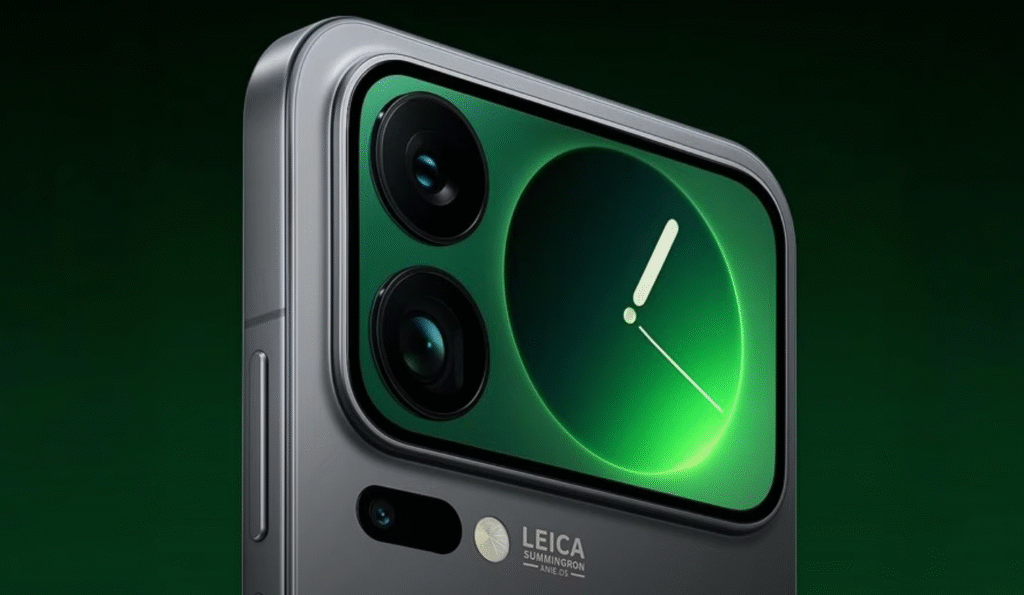
Xiaomi’s 17 Pro with full specification
Xiaomi 17 Pro First Look, Features, Specs, Price, Release Date The Xiaomi 17 Pro is a flagship smartphone expected to launch in late 2025. It features a 6.3-inch LTPO OLED display with 120Hz refresh rate and ultra-thin bezels. Powered by the Qualcomm Snapdragon 8 Elite Gen 5 chipset, it runs Android 16 based HyperOS 3. The phone comes with 12GB or 16GB RAM options and up to 256GB internal storage. The Xiaomi 17 Pro is shaping up to be one of the most innovative flagship smartphones of 2025. Xiaomi 17 Pro features & specs: Design & Display Front Display: 6.3-inch LTPO OLED with 120Hz refresh rate and ultra-thin 1.1mm bezels. Rear Display: A unique secondary screen integrated around the camera module, dubbed the “Magic Back Screen.” It can show clock faces, app info, animated themes, and even act as a selfie viewfinder Performance Chipset: Snapdragon 8 Elite Gen 5 — the first phone series to feature this next-gen processor. RAM & OS: 16GB RAM, running Android 16-based HyperOS 3 Cameras (Leica Co-branded) Triple Rear Setup: 50MP main sensor (f/1.67) 50MP telephoto lens (f/3.0) with 5x optical zoom 50MP ultrawide lens with 17mm focal length Battery & Charging Battery: 6,300mAh Charging: 100W wired + wireless fast charging Durability IP Rating: IP69 for dust and water resistance Launch Timeline Official unveiling set for September 26, 2025 in China, with global rollout expected in Q4 Expected Price Around ₹69,999 for the base variant in India (not yet officially confirmed) Snapdragon 8 Elite Gen 5 compare to previous chips Snapdragon 8 Elite Gen 5 offers significantly enhanced CPU power with custom cores, major GPU improvements, cutting-edge AI capabilities, and top-tier connectivity compared to its predecessors Snapdragon 8 Gen 2 and 8 Elite Gen 1/2. This positions it as Qualcomm’s most powerful and efficient flagship chipset for 2025 smartphones. Xiaomi 17 Pro be available colors The Xiaomi 17 Pro will be available in the following colors: Black Blue Grey Yellow These color options offer a mix of classic and vibrant choices for the flagship device. Will Xiaomi 17 Pro support 5G connectivity Xiaomi 17 Pro supports 5G connectivity. It is equipped with extensive 5G band support including n1, n3, n5, n8, n28a, n38, n40, n41, n48, n66, n77, n78, and n79. Additionally, it supports the latest Wi-Fi 7 standard, ensuring high-speed wireless connectivity. The phone is fully capable of handling modern 5G networks globally.

Top Design Coaching Institutes for NID Preparation
Best NID Entrance Exam Coaching – NID DAT Coaching The top design coaching institutes for NID preparation in India are BRDS (Bhanwar Rathore Design Studio), SILICA, Creative Edge by Toprankers, Pahal Design, and AFA. Each of these institutes has distinct strengths regarding results, fees, batch options, These institutes offer a combination of offline, online, and hybrid batches with excellent track records and experienced faculty. Leading Institutes and Their Features 1. BRDS (Bhanwar Rathore Design Studio): Renowned for top NID results (producing AIR 1,2,3,4,5,6). Extensive presence with 85+ centres, high-quality classroom and hybrid coaching, and consistent record of NID selections. Skilled faculty and structured course modules are standard. Offers different batches to suit student needs. 2. SILICA: Provide both online and offline classes, and up-to-date study material and question banks. Faculty are experienced and regularly update their skills through industry events. Competitively priced with options across cities. 3. AFA (Academy of Fashion and Art): Generates NID rankers year after year with strong infrastructure, library, and top faculty team. Personalized doubt-clearing sessions and well-equipped classrooms. 4. Pahal Design: Over 25 years alongside several double-digit all-India rank holders, scholarship-based admissions, and coaching for both BDes and MDes aspirants. Recognized for strong faculty team. 5. AFD India: Esteemed for well-credentialed faculty, strong results, a variety of batch options from weekend to crash courses, and holistic exam/portfolio prep. Over a years of experience. Fees Comparison Institute Average Fee (INR) Scholarship/Discounts BRDS 60,000–1,20,000 (est.) Yes, various discounts SILICA 60,000–1,50,000 Some centers offer scholarships Pahal Design 50,000–1,40,000 Up to 100% scholarship AFA 50,000–1,30,000 Yes, based on merit Creative Edge 40,000–60,000 None specified Faculty and Results Faculty: Top institutes employ faculty with NID, NIFT & IIT. Institutes like BRDS highlight experienced design educators, some with over 10–15 years in the field, and frequent industry expert sessions to update students.. Results: Frequent AIR (All India Rank) 1 and single-digit ranks from BRDS, & Other Institute. Consistent NID selections over the years, with some institutes publicizing success stories of their top-ranking students. *BRDS: Maximum selections, with more than 2000 students selected for NID so far, and claimed All India Ranks from 1–10 repeatedly. *SILICA, Creative Edge, and AFA: Consistently produce single and double-digit AIRs, with a track record for both BDes and MDes. Batch Options Most institutes offer both regular/weekday and weekend batches, ranging from 350 to 500+ hours of preparation. Timings include afternoon, evening, and weekend-only options, catering to school/college students and working professionals. BRDS stands out for results and experience, especially if a high recent selection rate and strong faculty background are priorities. Creative Edge is well-suited for those preferring robust online learning or hybrid models. SILICA and Pahal Design are balanced, with strong faculty credentials and flexible batch options. AFA is a reliable alternative, especially for students valuing doubt-clearing and extra support. FAQ What entrance exams do you prepare students for? Most design coaching institutes provide training for NID, UCEED, NIFT, CEED, NATA, and other major design and architecture entrance exams. Do you offer online or offline classes? Many institutes run both offline (in-person) and online batches to suit geographical and scheduling needs. Some also maintain hybrid options with live interaction and recorded sessions. Are demo or trial classes available? Many leading institutes offer free demo sessions or introductory workshops to help students experience their teaching style before joining. Faculty & Guidance Faculty usually includes experienced design professionals, alumni from NID/NIFT/IIT, and industry mentors with hands-on learning and portfolio guidance experience. Fees & Scholarships Fees vary by course and duration, from ₹30,000 for short courses to ₹1,00,000+ for full-year programs. Some institutes offer scholarships or fee waivers to meritorious students. Most design coaching institutes provide training for NID, UCEED, NIFT, CEED, NATA, and other major design and architecture entrance exams. Many institutes run both offline (in-person) and online batches to suit geographical and scheduling needs. Some also maintain hybrid options with live interaction and recorded sessions. Many leading institutes offer free demo sessions or introductory workshops to help students experience their teaching style before joining. Faculty usually includes experienced design professionals, alumni from NID/NIFT/IIT, and industry mentors with hands-on learning and portfolio guidance experience. Fees vary by course and duration, from ₹30,000 for short courses to ₹1,00,000+ for full-year programs. Some institutes offer scholarships or fee waivers to meritorious students.

Google Banana Trend prompts to create a retro Bollywood look
What is the Google Banana Trend? The “banana” prompt trend comes from Google’s Gemini 2.5 Flash Image AI editor, popularly known as Nano Banana. Users upload photos, then type playful text prompts to turn themselves, pets, or objects into 3D figurines, retro Bollywood images, or fantasy avatars, driving billions of viral posts on Instagram, X, and TikTok. Different Types of Google Banana Prompts Most Viral and Trending Prompts Red Saree Drama Prompt “Transform the subject into a classic Bollywood heroine in a flowing red chiffon saree, hair styled in soft waves. Background should be warm-toned, minimalist, with glowing sunset light giving a romantic and dramatic mood.” Collectible Action Figure: “Take this photo of me and turn me into a collectible figurine inside a toy box. The box should have bold graphics, a clear window, and my name— styled as a real toy!” Bollywood Retro Saree Edit: “Transform me into a 90s Bollywood star in a shimmering black saree, with dramatic golden-hour lighting and vintage film-poster style.” 16-Bit Video Game Character: “Reimagine me as a pixel art character and put me inside a 2D 16-bit platform video game scene.” Pet Action Figure: “Turn my pet into a plastic action figure, next to its packaging, posed like a hero!” Renaissance Portrait: “What would this picture look like as a Renaissance painting in a museum?” Landmark Vacation Edit: “Place me on top of the Eiffel Tower, waving at Paris with realistic lighting and perspective.” Rain-Soaked Saree Aesthetic: “Create a dramatic portrait in a rain-soaked white polka-dot saree, windswept hair, glowing city night backdrop.” Designer Pet Toys: “Make my dog a designer plush toy with branded packaging and a cute cartoon expression.” 3D Transparent Hologram: “Turn my phone into a 3D transparent line-art hologram with a glowing digital background.” Mini-Me Political Edition: “Style me as a miniature politician, in classic attire, giving a speech on a toy stage.” Festival Edition: “Transform this family picture into a Diwali-themed 3D figurine series, each person in festive clothes and lights.” Why the Banana Trend Is Viral Accessibility: Anyone can try it in seconds via Google Gemini AI Studio. Creative Flexibility: Prompts work for humans, pets, objects, and fashion. Shareability: The outputs look professionally made and instantly spread across social media.
NID Admission 2026: The Complete Guide
NID admission, eligibility, exam pattern, syllabus, books, seat, fees, cutoffs & placements This is the ultimate resource for design aspirants eyeing the prestigious National Institute of Design (NID). Discover eligibility, application steps, exam pattern, syllabus, top books, seat matrix, fees, cutoff, placements, and the future of NID graduates. NID Admission Process Application: Online Application start: 11th September 2025.– Last date of submitting Online Application form: 1st December 2025.– Date of Written Entrance Examination for DAT Prelims: 21st December 2025.. Fill out personal and academic details, upload documents, and pay the fee (₹3,000 for General, ₹1,500 SC/ST/PwD, ₹5,000 for Overseas). Stages: NID DAT is in two parts: Prelims: Pen-and-paper test (December 2025) Mains: Studio Test/Interview (April-May 2026 for shortlisted candidates) NID Exam Pattern 2026 Stage 1: DAT Prelims Duration: 3 hours (B.Des), 2.5 hours (M.Des) Mode: Pen and paper (offline) Mix of objective (MCQ, 40 marks) and subjective (sketching, creativity, 60 marks) questions. Stage 2: DAT Mains Studio tests (drawing, model-making, problem-solving), group discussions, and interview. Weightage: 70% Prelims + 30% Mains for results. NID Eligibility (Who Can Apply?) B.Des: 10+2 passed or appearing 2025-26 in any stream from a recognized board. Age limit: Born on/after 1 July 2004 (GEN/EWS), relaxation for reserved categories. M.Des: Recognized 4-year bachelor’s degree, or 3-year bachelor’s + 1-year diploma after 12th; or 4-year diploma in Design/Fine Arts/Applied Arts/Architecture. Check official brochure for specific seat and quota rules. NID 2026 Syllabus Key Areas: Design aptitude, sketching, visual logic, creativity, color theory, observation, general knowledge, problem-solving. Prelims Topics: GK, observation, design awareness, drawing, creativity, visualization, reasoning. Mains Topics: Studio exercises, 3D modeling, group tasks, interviews. New for 2026: More defined focus on abstract reasoning and visual logic. NID Admissions 2026-27 for B.Des. & M.Des. is now OPEN @NID_India , @DPIITGoI @PiyushGoyal , @JitinPrasada @NID_AP , @MadhyaNid #NID #NationalInstituteofDesign #DAT #NIDAdmissions #NIDAhmedabad pic.twitter.com/Z4k6I8S3vN — NID, India (@NID_India) September 17, 2025 NID 2026 Exam Dates (Tentative) Application Window: September–December 2025 Prelims Exam: December 2025 (B.Des and M.Des) Mains/Studio Test: April 2026 Final Results: May 2026 Follow the official website of NID NID 2025 Cutoff, Rank & Seat Intake Expected Cutoff 2025 (by Category, Prelims): Open/GEN-EWS/Overseas: 50% OBC-NCL: 45% SC/ST/PwD: 40% What is a Good Rank?: Generally, securing a rank among the top 100 (B.Des) for NID Ahmedabad is competitive. Top ranks ensure Ahmedabad or campus of preference; lower ranks might get Bhopal, Assam, Haryana, etc. NID Ahmedabad Seats: 125 (B.Des); 126 (M.Des); distributed across Animation, Communication, Industrial, and Textile Design disciplines. Other NIDs: Each of Bhopal, Andhra Pradesh, Haryana, Madhya Pradesh, Assam offer 75 seats (B.Des). NID Fees (Ahmedabad & Mumbai) Institute Course Total Fees (approx, 2025-26) NID Ahmedabad B.Des ₹16.9 lakh (4 years) NID Ahmedabad M.Des ₹9.8 lakh (2 years) NID Mumbai* N/A** N/A NID Placements 2025 Highest Package (2025): ₹18 lakh per annum (recessionary year; past record ₹78 lakh per annum). Top Profiles: UX Designer, Industrial Designer, Concept Designer, Textile Designer, Communication Designer. UX Designer: ₹18–24 LPA Industrial Designer: Up to ₹31 LPA Average packages are typically in the ₹4.9–12 LPA range. Top Recruiters: Microsoft, Wipro, Trident, Myntra, Adobe, Philips, Cognizant, Godrej, VIP Industries. NID 2025 Cutoff Process Explained Basis: Merit list prepared from DAT scores (Prelims + Mains), seat matrix, category reservation. Seat Allotment: Preference-based, as per merit and category. Higher rank = higher campus and discipline choice. Admission: Provisional offers after document verification and token fee payment (₹30,000 for Indian, ₹75,000 for Overseas). Best Design Coaching Institute for NID Preparation 1. BRDS (Bhanwar Rathore Design Studio): Highest number of NID selections, over 20 years of experience, and strong faculty credentials. BRDS achieved 2162 NID selections overall, with 449 in 2024 alone, including All India Ranks 1–10. New batches start soon for 2026 attempts. 2. SILICA: Offers both offline and online modes, and excellent study material. 3. AFA (Academy of Fashion and Art): Consistent top-rank qualifiers, advanced doubt clearing sessions, and strong batch management. 4. Pahal Design: Over 25 years in the field, historic double-digit AIRs, and scholarship opportunities for meritorious students. 5. AFD India: Comprehensive curriculum, and regular industry workshops. Offers both classroom and online coaching The Future for NID Students An NID degree is a gateway to top creative and managerial careers in design, with alumni in global design studios, brands, startups, and as entrepreneurs. NID graduates command leading roles in UX/UI, product innovation, branding, animation, fashion, and design research. The growing design ecosystem in India ensures bright career prospects and global mobility FAQs Eligibility Criteria for NID DAT 2026 Candidates must meet age and education requirements: For B.Des, passed or appearing 10+2 in 2024-25; age limit varies by category (General born on/after 1 July 2004). For M.Des, a relevant bachelor’s degree or diploma required with age relaxations for reserved categories. NID DAT 2026 Exam Pattern The exam has two stages: Prelims (3 hours pen-paper test with objective and subjective questions) and Mains (studio test, model-making, and interview), with 70% weightage on Prelims and 30% on Mains. NID DAT 2026 Application Deadlines The application window typically opens in October 2025 and closes in December 2025. Exact dates are announced on the official NID admissions website. Best Books for NID Preparation Popular books include “NIFT/NID/IIFT Entrance Exam Guide” by RPH, “Creative Edge NID Study Material,” “Design Drawing” by Francis D.K. Ching, and Rathore Design’s studio test kits. How to Interpret NID Cutoff Scores and Rankings Cutoff scores are the minimum marks needed to qualify, varying by category and year. A good rank generally means top